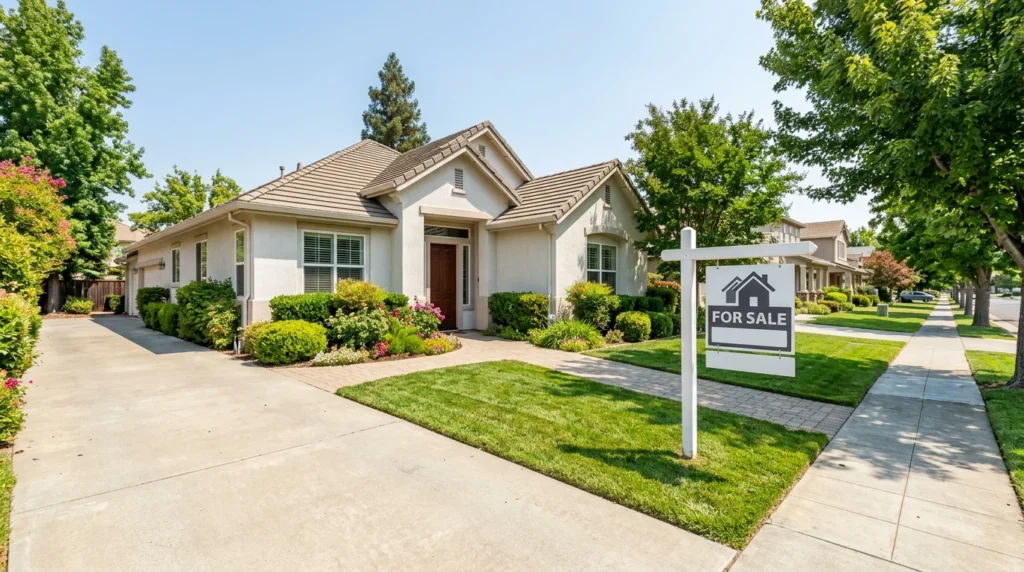
Quick answer: Start by setting a realistic timeline, choosing a listing strategy that fits your move date, and preparing the home for photos and showings before you leave town. Price based on recent comparable sales, not your moving costs. Line up remote-friendly steps—digital signatures, a lockbox plan, and a local point person for access, repairs, and inspections—so escrow doesn’t stall after you relocate.
Plan the Sale Around Your Move Date
If you’re relocating, the cleanest plan is to work backward from your departure date and map out key milestones: pre-list repairs, staging or decluttering, photography, active showings, offer review, inspections, appraisal, and closing. In many California transactions, the escrow timeline after accepting an offer is often around 30–45 days as a general range, but the real variable is how quickly you can get the home ready and how smooth inspections go.
Here’s a practical relocation checklist you can use right away: 6–8 weeks before your move: choose your agent, pull recent comparable sales, schedule any contractor work with longer lead times, and start decluttering. 2–3 weeks before: finish touch-ups, deep clean, confirm your showing plan, and gather disclosures and utility info. Listing week: professional photos, final staging/cleanup, and a clear plan for pets and access. After you’ve moved: keep a local point person for inspections/repairs, respond to requests within 24 hours when possible, and plan how you’ll handle notarizations and final signing.
A common choice is to list before you move so you can handle prep and showings while you’re still local. If that’s not possible, you can still sell from out of town, but you’ll need a reliable access plan and someone local who can meet vendors and respond fast if something comes up. If you’re searching for a step-by-step approach, this how to sell my home when relocating from Chico CA resource can help you think through the sequence.
Also decide early if you need a rent-back (staying after closing for a short period) or if you’ll move first and carry the home for a while. Rent-backs can keep your move flexible, but they add paperwork and require clear terms about deposits, daily rent, and responsibility for utilities and damage.
Price and Prep for a Fast, Clean Offer
Relocation sales go smoother when the home shows “low risk.” That usually means fewer visible maintenance issues and fewer surprises in inspections. Focus on high-signal items buyers and inspectors notice quickly: roof condition (missing shingles, soft spots), active leaks (stains under sinks, around windows), HVAC performance, electrical quirks (non-working outlets, double-tapped breakers), and safety basics (smoke/CO detectors, handrails).
Pricing should be anchored to recent comparable sales in Chico—same neighborhood feel, similar size, similar condition—then adjusted for upgrades and lot differences. Overpricing to “leave room” commonly reduces early buyer interest, and price reductions later can make buyers wonder what changed. A sharp initial price paired with strong photos and clean presentation tends to produce cleaner negotiations.
If you can, consider a pre-list inspection. It doesn’t guarantee a buyer won’t find anything, but it can reduce renegotiation surprises and help you choose which repairs are worth doing versus disclosing and pricing accordingly.
Chico-Specific Considerations to Think Through
I can’t predict what will come up for your exact property, but a few patterns are common in Northern California markets and often show up in Chico-area transactions. Many buyers pay close attention to roof life, HVAC age, attic insulation/ventilation, and water intrusion around older windows or patio doors—items that can affect comfort and insurance questions. If your home has a raised foundation or older construction, buyers and inspectors may also look closely at drainage and any signs of moisture under the home.
California sellers also deal with more standardized disclosure paperwork than many states. A practical move is to gather what you already have—past repair invoices, permits you pulled, roof/HVAC service records, and any HOA documents—so you’re not hunting for them while you’re already out of town. If wildfire risk or insurance availability is a concern for your area, ask your agent early how buyers are currently handling insurance quotes and contingencies so you can set expectations before offers come in.
Set Up Remote-Friendly Logistics and Close Smoothly
Selling from out of town is mostly a systems problem. Put digital signatures in place early, and confirm your title/escrow team can handle remote signing options. Arrange a lockbox or other secure access method, and decide who can authorize entry for inspectors, appraisers, and contractors.
Common causes of last-minute stress in relocation sales include slow turnaround on repair decisions, unclear access for inspections/appraisal, and missing paperwork. You can reduce all three by choosing an escrow/title team that communicates well by email/text, offers clear signing instructions, and will tell you up front what they need for a remote close. As an actionable step, ask them for a written list of required IDs and documents for your signing appointment (and whether they need originals or scans) before you leave Chico.
Keep the home in “show ready” condition if it’s occupied: consistent lighting, clear counters, minimal personal items, and a simple plan for pets. If it’s vacant, check insurance requirements and schedule periodic visits so small issues (a leak, a tripped breaker) don’t turn into big ones.
For hands-on help coordinating pricing, prep, showings, and an out-of-town closing, reach out to Brent McCarthy Realtor.